
Bill Miller (Department of Occupational Science and Occupational Therapy, University of British Columbia)
 Dr. Miller is a Professor in the Department of Occupational Science and Occupational Therapy at the University of British Columbia. He pursued his undergraduate Occupational Therapy program at the University of British Columbia, followed by his M.Sc. and Ph.D. at the University of Western Ontario and his Post-doctoral Fellowship at the University of British Columbia. As a CIHR Investigator scholar, Dr. Miller is able to dedicate 80% of his time to research. His research interests include wheeled mobility devices, determinants of wheelchair use, measurement tools (development and evaluation), balance and ambulation confidence, and assessment of assistive technology (e.g. wheeled mobility devices) used to enable mobility disabled adults (e.g. individuals with lower limb amputation, spinal cord injury, and stroke). Dr. Miller also provides research mentorship to both professional entry level MSc and PhD students. He is also involved with the American Journal of Occupational Therapy as an Editorial Board Member, and the CIHR Post-Doctoral Trainee Award Committee as a Reviewer.
Claudine Auger (Assistant Professor, Université de Montréal)
 Dr. Auger is an emerging researcher at the Centre for Interdisciplinary Rehabilitation Research of Greater Montreal (CRIR) site Lucie-Bruneau Rehabilitation Center (QC). She is an assistant professor in the Occupational Therapy Program of the School of Rehabilitation at Université de Montréal since 2013. Dr. Auger is an Occupational Therapist (McGill; 1988) who obtained her MSc and PhD in biomedical sciences (rehabilitation; 2005 and 2009) at Université de Montréal and completed a postdoctoral training in Epidemiology and Biostatistics at McGill University (2010-2012) and Rehabilitation Sciences at University of British Columbia (2010-2012). Her research is focused on the measurement of rehabilitation outcomes in older adults (instrument validation and rehabilitation outcome indicators) and on the use of information technologies to systematically follow-up the impact of mobility assistive technologies and for persons with chronic conditions.
Louise Demers (School of Rehabilitation, Université de Montréal)
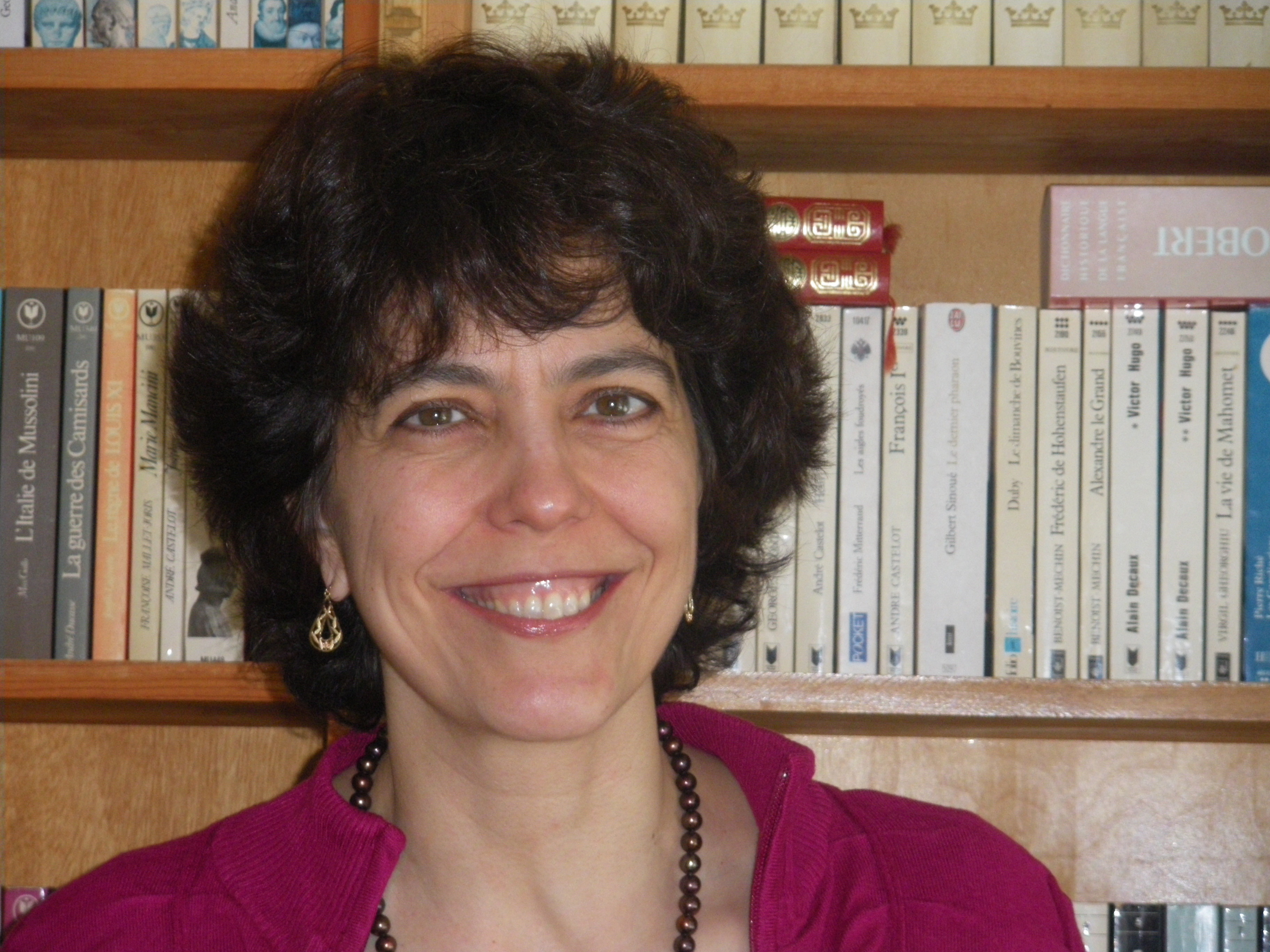 Dr. Demers is a Professor in the School of Rehabilitation at the Université de Montréal. After a few years in occupational therapy, Dr. Demers obtained her PhD in biomedical sciences (rehabilitation) at the Université de Montréal (1999). She then completed her postdoctoral training in epidemiology at McGill University (1999-2001). Subsequently she has been a scientist at the Research Centre of the Institut universitaire de gériatrie de Montréal, Quebec, and Director of a laboratory on outcome measures in geriatric rehabilitation and assistive technology. She is also a senior researcher funded by the Fonds de la recherche en santé du Québec (FRSQ) (2008-2012). Dr. Demers has authored many research articles related to assistive technology, outcomes measures, geriatric rehabilitation, and social participation.
Alan Mackworth (Department of Computer Science, University of British Columbia)
 Dr. Mackworth is currently a Professor of Computer Science and the Canada Research Chair in Artificial Intelligence at the University of British Columbia. Dr. Mackworth completed his B.A.Sc. in Toronto, his A.M. at Harvard University, and his D.Phil. at Sussex University. He works on constraint-based computational intelligence with applications assistive technology, vision, robotics and situations agents. He is known as a pioneer in the areas of constraint satisfaction, robot soccer and constraint-based agents. He has served as President of the Association for the Advancement of Artificial Intelligence (AAAI) and as President of the Canadian Society for Computational Studies of Intelligence (CSCSI now CAIAC). He has received the ITAC/NSERC Award for Academic Excellence, the Killam Research Prize, the CSCSI Distinguished Service Award and the Award for Research Excellence of the Association for Constraint Programming. He is a Fellow of AAAI, the Canadian Institute for Advanced Research and the Royal Society of Canada.
R. Lee Kirby (Department of Medicine, Dalhousie University)
 Dr. Kirby received his MD degree from Dalhousie University. His specialty training in Physical Medicine and Rehabilitation was carried out at the University of Washington in Seattle, at Dalhousie University and at Stoke Mandeville in England. He is currently a Professor in the Division of Physical Medicine and Rehabilitation in the Department of Medicine at Dalhousie University in Halifax, Nova Scotia, Canada, with cross-appointments in Kinesiology and Biomedical Engineering. His clinical work and laboratory are in the Nova Scotia Rehabilitation Centre Site of the Queen Elizabeth II Health Sciences Centre. His primary research interests relate to the safety and performance of wheelchairs. He heads a team that developed the Wheelchair Skills Program, a low-tech, high-impact training program. He has held research grants from a number of national and international funding bodies and has published over 125 papers in peer-reviewed journals.
Alex Mihailidis (Department of Occupational Science and Occupational Therapy, University of Toronto)
 Alex Mihailidis, Ph.D., P.Eng., is the Barbara G. Stymiest Research Chair in Rehabilitation Technology at the University of Toronto and Toronto Rehab Institute. He is also the Graduate Coordinator for the Clinical Engineering Program. He is an Associate Professor in the Department of Occupational Science and Occupational Therapy (U of T) and in the Institute of Biomaterials and Biomedical Engineering (U of T), with a cross appointment in the Department of Computer Science (U of T). He has been conducting research in the field of pervasive computing and intelligent systems in health for the past 15 years, having published over 150 journal papers, conference papers, and abstracts in this field. He has specifically focused on the development of intelligent home systems for elder care and wellness, technology for children with autism, and adaptive tools for nurses and clinical applications. He currently holds several major research grants from internationally recognized funding agencies to support this work (including both the Canadian and American Alzheimer Associations, NSERC, and CIHR). He is also a CIHR New Investigator. His research has been completed through collaborations with other researchers in this field from Canada, the United Kingdom, and the United States, and with various industrial partners. Dr. Mihailidis has also co-edited two books: one from CRC Press entitled “Pervasive computing in healthcare”, and the other from IOS Press entitled “Technology and Aging”, which resulted from him being the conference chair for the 2nd International Conference on Technology and Aging. Dr. Mihailidis is also very active in the rehabilitation engineering profession, currently as the President for RESNA (Rehabilitation Engineering and Assistive Technology Society of North America).
Gary E. Birch (Neil Squire Society, Department of Electrical Engineering, University of British Columbia)
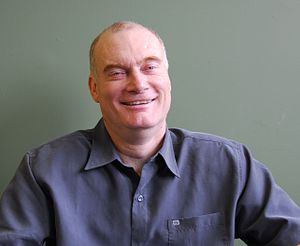
In 1994, Dr. Birch became the Executive Director of the Neil Squire Society. Under his watch, the Society continues to empower Canadians with physical disabilities using technology, knowledge, and passion. He is also currently an Adjunct Professor at both the Electrical and Computer Engineering Department of the University of British Columbia, and at the Gerontology Department of Simon Fraser University.
Laura Hurd Clarke (School of Kinesiology, University of British Columbia)
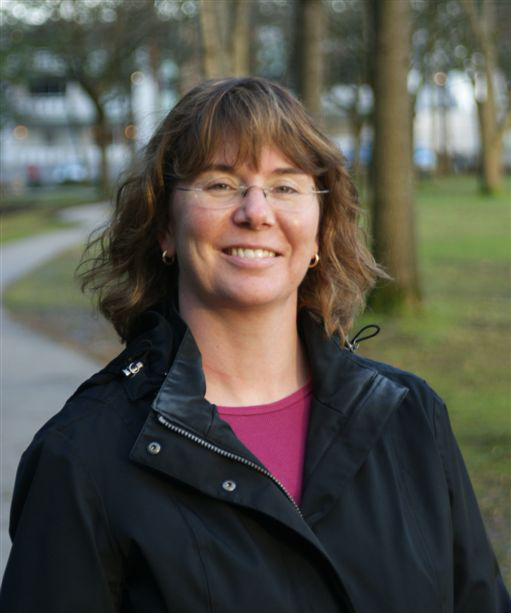
Dr. Clarke is a Professor in the School of Kinesiology at the University of British Columbia. Dr. Hurd Clarke holds an undergraduate degree in sociology from Queen’s University (B.A.H., 1992), a Master’s of social work degree from Wilfrid Laurier University (1996), and a Ph.D. in sociology from McMaster University (2000). She held a Michael Smith Foundation for Health Research Career Investigator award (2005-2010) and a CIHR Postdoctoral fellowship (2000-2003). Dr. Hurd Clarke’s research examines how social norms concerning gender, health, and later life mediate individuals’ experiences of aging, disability, embodiment, health, and illness using a range of qualitative methods. Currently, she is investigating older men’s everyday experiences of aging, masculinity, and embodiment (research funded by a Social Sciences and Humanities Research Council of Canada Insight Grant (2012-2016).
James J. Little (Department of Computer Science, University of British Columbia)
 Dr. Little is currently the Director of Laboratory for Computational Intelligence (LCI) and a Professor at the Department of Computer Science at the University of British Columbia. He studied at various institutes including the Massachusetts Institute of Technology, Harvard University, and the University of British Columbia. His research interests include building working vision systems both in robots and for using visual information for science, medicine, and other applications. Dr. Little is especially interested in early vision, understanding image sequences, and visually-guided mobile robotics.
Ian M. Mitchell (Department of Computer Science, University of British Columbia)
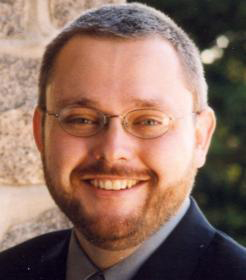 Dr. Mitchell is currently an Associate Professor in the Department of Computer Science at the University of British Columbia. His research is focused on algorithms for designing, controlling, analyzing and verifying hybrid and cyber-physical systems, level set algorithms for time-dependent Hamilton-Jacobi partial differential equations (PDEs), marching and sweeping algorithms for static Hamilton-Jacobi PDEs, high quality, publically released implementations of these algorithms, and application of these algorithms to path planning and control of autonomous and collaborative systems.
Ben Mortenson (Assistant Professor, Occupational Science & Occupational Therapy, University of British Columbia)
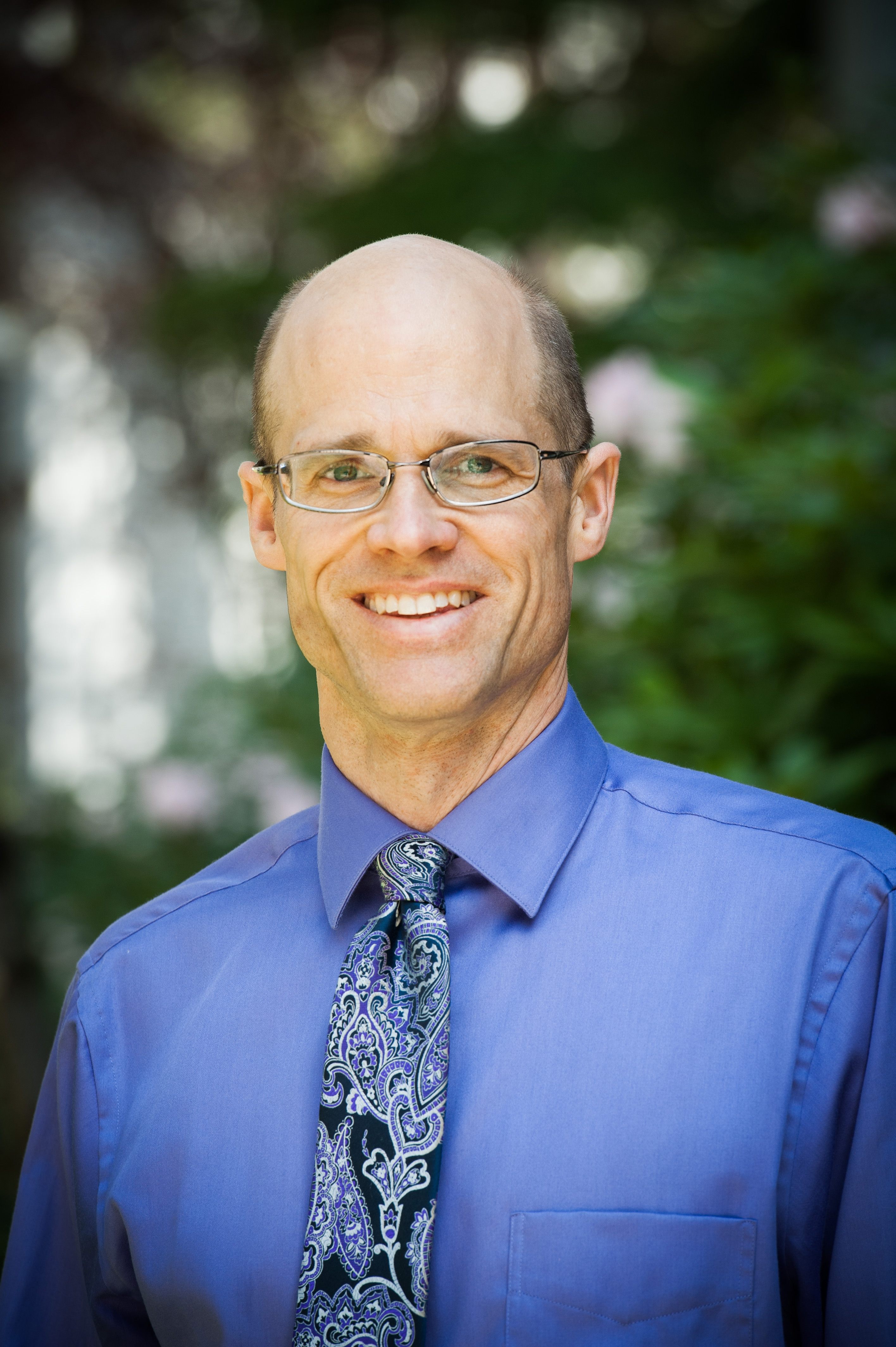
Dr. Mortenson is an assistant professor in the Department of Occupational Science and Occupational Therapy at the University of British Columbia. He has a wide range of research interests including, client-centred practice, outcome measurement, social participation, assistive technology, spinal cord injury and residential care and the combined use of quantitative and qualitative methods. He received a Banting fellowship for his post-doctoral training with Andrew Sixsmith at Simon Fraser University (2012-2013) and did post-doctoral training with Louise Demers (2009-2012) that was funded by a fellowship in mobility and aging from the Canadian Institutes of Health Research. Ben graduated with a bachelor of science in occupational therapy from the University of Alberta in 1991 and commenced graduate studies at the University of British Columbia in 1998, where he received an M.Sc. in 2002 and a PhD in 2009. Outside of CanWheel, his current work includes a multi-site intervention study which explores the impact of a standardized approach to assistive technology provision and training for users and their caregivers.
Meeko Oishi (Electrical and Computer Engineering, University of New Mexico)
 Dr. Oishi is an Assistant Professor at the University of New Mexico in the Department of Electrical and Computer Engineering. She obtained her B.S.E. at Princeton University, M.Sc. at Stanford University, and her PhD at Stanford University, all in mechanical engineering. Her research focuses on hybrid systems and control, nonlinear systems and control, human-automation interaction, modeling and control for Parkinson’s disease, collaborative control for powered wheelchairs, and aircraft flight management systems.
Jan Miller Polgar (School of Occupational Therapy, University of Western Ontario)

Dr. Polgar is an Associate Professor in the School of Occupational Therapy, as well as the Associate Dean of the Graduate and Postdoctoral Programs at Western University. Her research interests include: aspects of mobility (e.g. product design, use and functional outcome), assistive technology, the consumer’s ability to use technology, and safe transportation for seniors. In addition to her affiliation with CanWheel, Dr. Polgar is a part of research with Auto21 – Network of Centres of Excellence, CanDRIVE – Canadian Driving Research Initiative For Vehicular Safety in the Elderly, as well as the Lawson Health Research Institute.
Francois Routhier (Assistant Professor, Occupational Therapy Program, Laval University)
Dr. Routhier is Associate Professor in the Department of Rehabilitation and Adjunct Professor in the Department of Mechanical Engineering at Université Laval. He is also a Full Researcher at the Centre for Interdisciplinary Research in Rehabilitation and Social Integration (CIRRIS) at the “Institut de réadaptation en déficience physique de Québec (IRDPQ)”. He earned his B.Sc (1993) and M.Sc. (1997) in Mechanical Engineering at the Université Laval, and subsequently his Ph.D. (2004) in Experimental Medicine at the CIRRIS. Dr. Routhier’s research interests are in assistive technologies (impact assessment, development, etc.), wheelchair skills training and assessment, development and validation of tools/methods of clinical/research assessment and training/education, development and evaluation of interventions with users of assistive devices, and social participation of assistive technology users. His most recent research projects are called “Towards Intervention Focusing on Community Living and Quality of Life for Individuals with Spinal Cord Injury” and “Impact of Wheelchair Skills on Social Participation of Spinal Cord Manual Wheelchair Users.”
Paula Rushton (Assistant Professor, Université de Montréal)
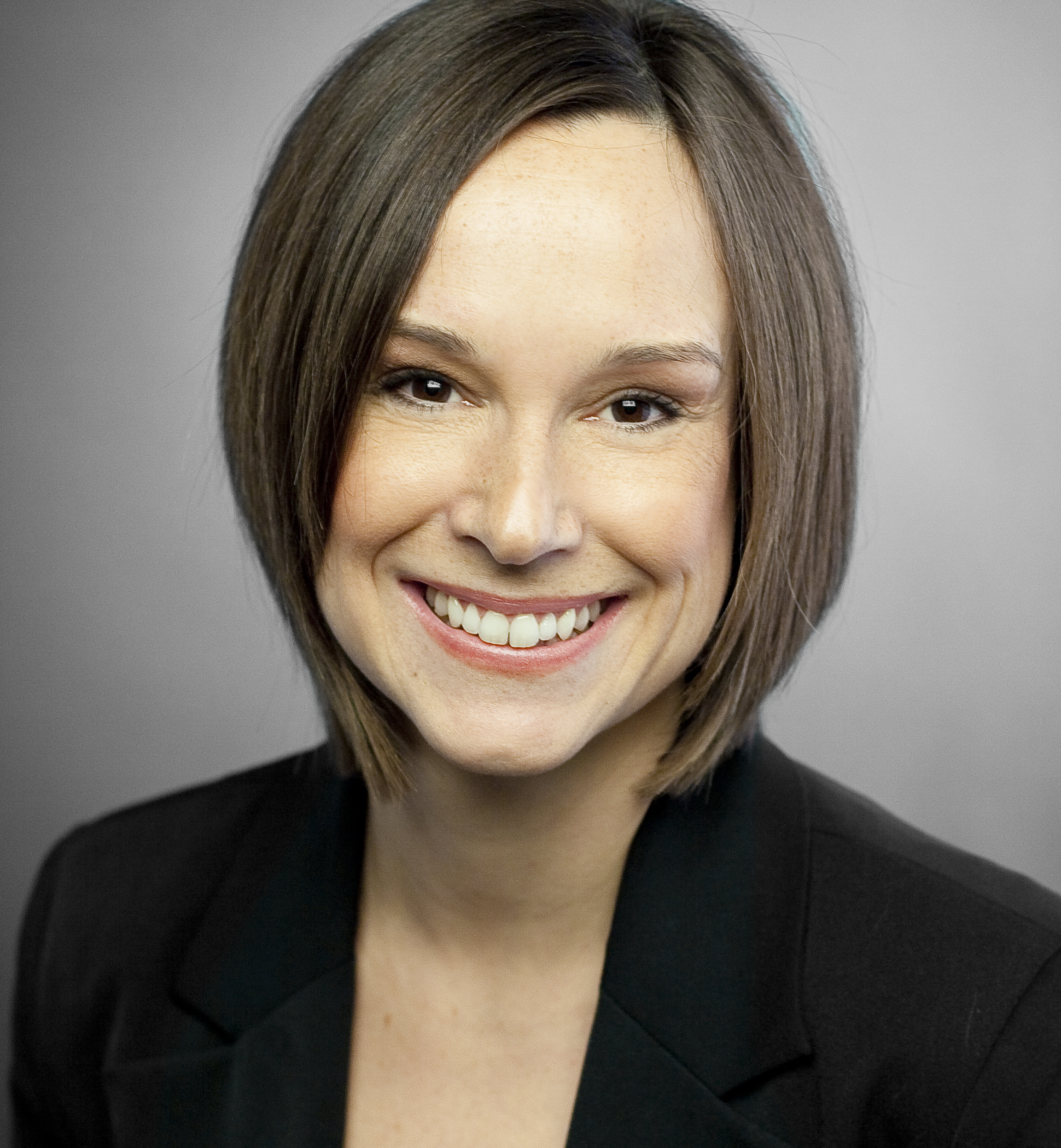 Dr. Rushton is an Assistant Professor in the Occupational Therapy Program of the School of Rehabilitation at the Université de Montréal. She is also a researcher at the CHU Sainte-Justine Research Center, Marie Enfant Rehabilitation Center site. Dr. Rushton obtained her Master of Clinical Science in Occupational Therapy, MClSc(OT), from the University of Western Ontario (1997-1999), followed by her PhD in Rehabilitation Sciences from the University of British Columbia (2006-2010). She completed her post doctoral training at the Université de Montréal in Biomedical Sciences (2011-February, 2014). Her research is focused on measurement, intervention, and technology development related to improving the wheeled mobility of both adults and children.
Bonita J. Sawatzky (Department of Orthopaedics, University of British Columbia)
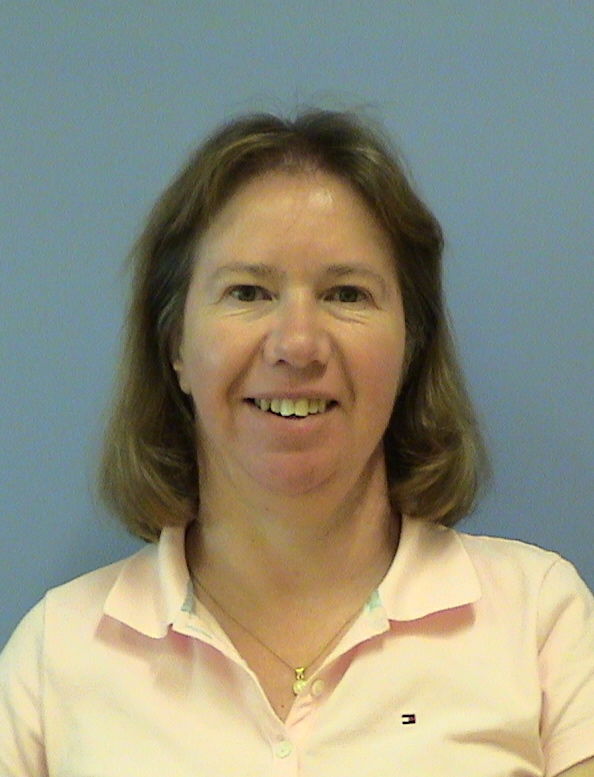 Dr. Sawatzky is an Associate Professor at the UBC Department of Orthopaedics. Her research interests have included studying the biomechanics and morphology of spinal deformities and functional outcomes of treatment for children with gait and mobility disabilities. She currently focuses on studying the physiological and biomechanical effects during wheelchair propulsion. The prevalence of upper extremity pain in wheelchair users is reported as high as 90% due to the repetitive strain type of exercise of wheelchair propulsion. Dr. Sawatzky’s research is focusing on how to reduce these overuse injuries and pain by specifically looking at which wheelchair type, set-up and skills are most efficient for the user. She is also interested in finding ways to reduce spasticity in those with spinal cord injuries using mobility devices such as the segway or adaptations to wheelchairs.
Cher Smith (Queen Elizabeth II Health Sciences Centre, Halifax)

Cher Smith BSc OT, MSc is an occupational therapist who is a member of the Dalhousie University Wheelchair Research Team and acts as the Seating and Mobility Coordinator at the Queen Elizabeth II Health Sciences Centre in Halifax, Nova Scotia. She is also an adjunct professor in the School of Occupational Therapy at Dalhousie University. She has been an OT in research, clinical and educational work for the past 13 years. In 2002, Cher was awarded the Mundy Award by the Canadian Adaptive Seating and Mobility Association. She has presented to local and international audiences.
Laura Titus (Assistant Professor, Occupational Science, University of Western Ontario)
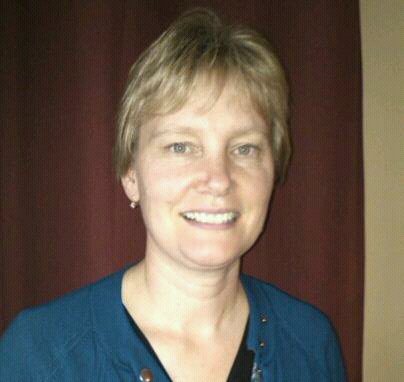
Dr.Titus is an assistant professor in the School of Occupational Therapy at Western University in London Ontario. She has recently completed her PhD at Western University (2013) in the Health and Rehabilitation Sciences Program, Occupational Science field, with her study focus on power tilt wheelchairs and pressure management. Laura is an Occupational Therapist (Western; 1988) who continues to work part time in the Adult Wheelchair and Seating Program at Parkwood Hospital (St. Joseph’s Health Care), London Ontario. She is also researcher at the Lawson Health Research Institute. Laura’s research interests are in the field of wheelchairs and seating, with a focus on how wheelchairs and power positioning technology are used within daily life, as well as pressure management and accessibility.
Joelle Pineau (Department of Computer Science, McGill University)
 Joelle Pineau is Associate Professor of Computer Science at McGill University, where she heads the Reasoning and Learning Laboratory. She received her PhD (2004) and MSc (2000) in Robotics from Carnegie Mellon University, and her B.A.Sc. in Systems Design Engineering from the University of Waterloo (1998). Her research focuses on developing new methodologies in artificial intelligence, statistical machine learning, and robotics. She is a founding member of two multi-disciplinary ventures aimed at developing prototype robotic assistants for elderly and disabled individuals: the Nursebot project (2000-2004) and the SmartWheeler project (2005-ongoing). She is also actively exploring the application of machine learning techniques to optimize dynamic treatment regimes for chronic illnesses.
Rosalie Wang (Department of Occupational Science and Occupational Therapy, University of Toronto)

Dr. Wang completed her Doctoral training through the Graduate Department of Rehabilitation Science in collaboration with the Institute of Biomaterials and Biomedical Engineering at the University of Toronto, where she is now an Assistant Professor in the Department of Occupational Science and Occupational Therapy. Her research interests include assistive technologies to enhance function and quality of life of older adults, strategies to improve quality of life for long-term care home residents with dementia, the application of robotics and artificial intelligence in rehabilitation for people with neurological conditions, knowledge translation (clinical implementation and commercialization) of rehabilitation technologies, mixed methods (combined qualitative and quantitative) research approaches and user-centred design.